
Get Commercial Siding Installation
Commercial siding installation services help property owners improve building appearance, protect against weather damage, and handle projects like new construction, renovations, or repairs with local contractors.
If you are considering a commercial siding installation, you are in the right place to explore your options. Property owners often look into siding upgrades to improve curb appeal, protect buildings from weather, or enhance energy efficiency. Understanding the different materials and styles available can help you make informed decisions that align with your property's needs and aesthetic preferences. This page provides guidance to help you compare local contractors and find the right professionals for your project.
Exploring commercial siding services involves planning and evaluating local service providers who can deliver quality results. Whether you're updating an existing building or preparing a new property, working with experienced local contractors ensures that your project is handled with expertise. Keep reading to learn more about the benefits of siding installation and how to connect with trusted professionals in your area.
- Commercial building facades - when a business needs to upgrade or replace aging or damaged siding to improve curb appeal.
- New commercial construction - during the development of new office, retail, or industrial facilities requiring high-quality siding installation.
- Building renovations - when existing structures require siding updates to enhance energy efficiency or aesthetic appeal.
- Weatherproofing projects - in cases where commercial properties need siding repairs to protect against harsh weather conditions.
- Property maintenance - for routine siding inspections and repairs to maintain the integrity and appearance of commercial exteriors.
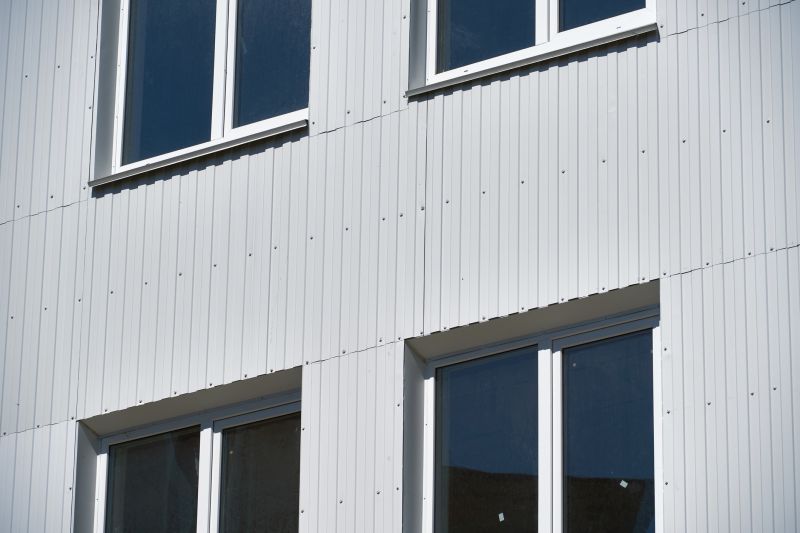
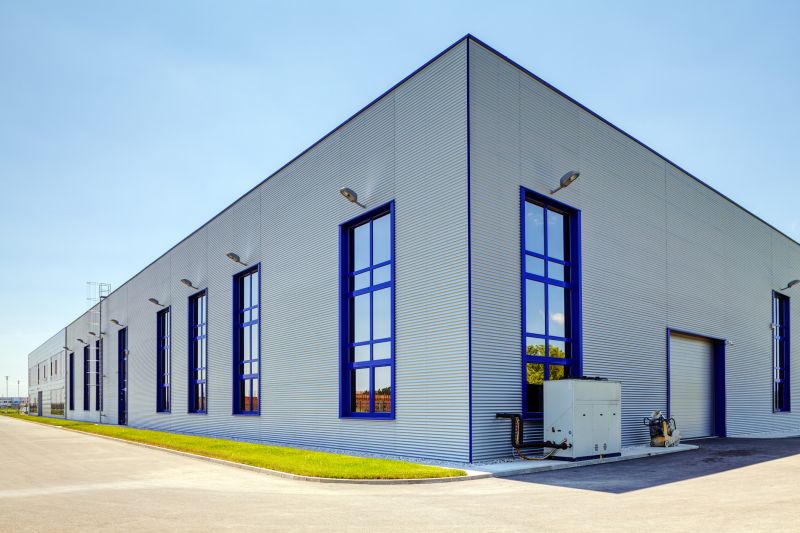
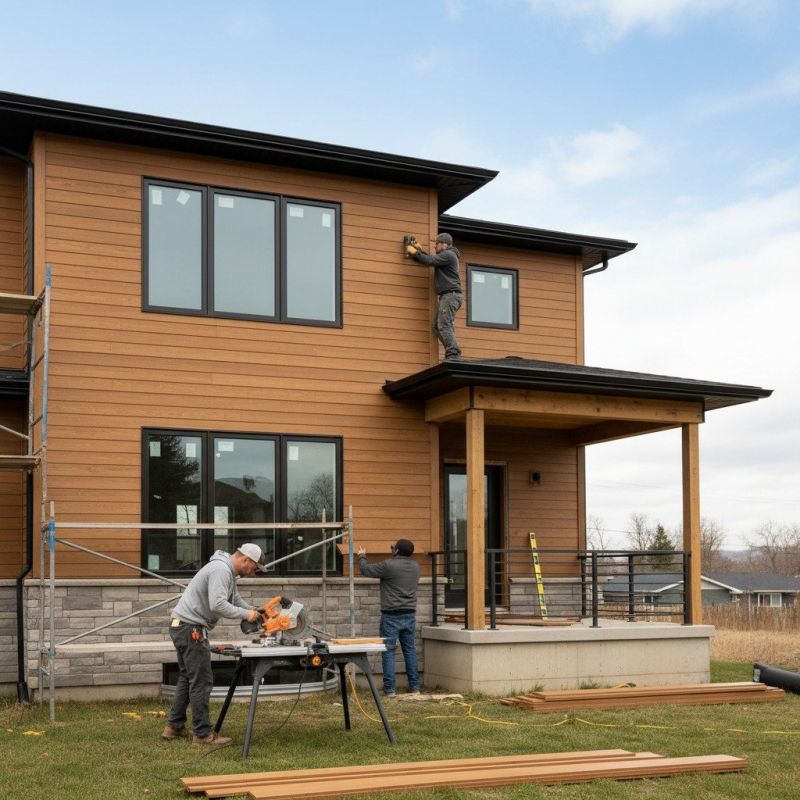
Commercial siding installation services involve attaching durable exterior panels to the walls of commercial properties, such as office buildings, retail centers, warehouses, and industrial facilities. This process typically includes selecting appropriate siding materials, preparing the building surface, and securely installing the panels to ensure a weather-resistant and visually appealing exterior. Skilled service providers focus on proper installation techniques that help extend the lifespan of the siding and improve the overall appearance of the property.
One of the primary reasons property owners seek siding installation is to address issues related to weather damage, insulation, and structural integrity. Over time, exposure to rain, wind, and temperature fluctuations can cause existing siding to crack, warp, or become loose. Installing new siding can help prevent leaks, reduce energy costs by improving insulation, and protect the building’s structural components from moisture infiltration. Additionally, upgrading siding can enhance curb appeal, making a property more attractive to tenants, customers, or visitors.
Various types of properties benefit from commercial siding installation, especially those that require durable and low-maintenance exteriors. Office complexes, retail stores, industrial warehouses, and manufacturing facilities often rely on siding to withstand harsh environmental conditions while maintaining a professional appearance. Multi-family residential buildings and mixed-use developments may also use siding to improve exterior durability and reduce ongoing maintenance needs. Property owners typically choose siding installation when their current exterior is outdated, damaged, or no longer provides adequate protection.
Homeowners or property managers may consider commercial siding installation services when their buildings show signs of wear or when they want to improve energy efficiency and exterior aesthetics. Siding can be an effective solution for properties experiencing issues like peeling paint, rotting wood, or frequent repairs. By working with experienced service providers, property owners can ensure the installation is done correctly, resulting in a long-lasting exterior that enhances the value and functionality of the property.
The overview below groups typical Commercial Siding Installation projects into broad ranges so you can see how smaller, mid-sized, and larger jobs often compare in your area.
In many markets, a large share of routine jobs stays in the lower and middle ranges, while only a smaller percentage of projects moves into the highest bands when the work is more complex or site conditions are harder than average.
Smaller Repairs - Minor siding repairs or replacements typically cost between $250 and $600. Many routine jobs fall within this range, especially when only a few panels or sections need attention.
Partial Siding Replacement - Replacing sections of siding usually ranges from $1,000 to $3,000 depending on the size and material. Larger, more complex partial projects can push costs higher but are less common.
Full Siding Replacement - Complete siding installations typically cost between $5,000 and $15,000. Most homeowners find their projects fall within this range, with larger homes or premium materials reaching the higher end.
Material and Design Choices - The cost can vary significantly based on siding material, with options like vinyl often being more affordable than fiber cement or metal. Local contractors can provide estimates tailored to specific preferences and project scope.
Actual totals will depend on details like access to the work area, the scope of the project, and the materials selected, so use these as general starting points rather than exact figures.
Commercial Window Installation - This project involves precise measurements and handling of large panels, similar to siding installation for ensuring proper fit and durability.
Exterior Insulation and Cladding - Installing insulation and exterior cladding requires skills in surface preparation, material handling, and weatherproofing akin to siding work.
Metal Panel Roofing - Metal roofing projects demand similar planning, tool use, and surface preparation as siding installation for weather resistance and structural integrity.
Facade Restoration - Restoring building facades involves surface assessment, material application, and planning comparable to commercial siding projects.
Aluminum and Vinyl Cladding - Applying aluminum or vinyl cladding shares techniques in material handling, cutting, and fastening with siding installation services.
Building Wrap Installation - Installing weather-resistant building wraps requires careful planning and surface preparation similar to exterior siding projects.
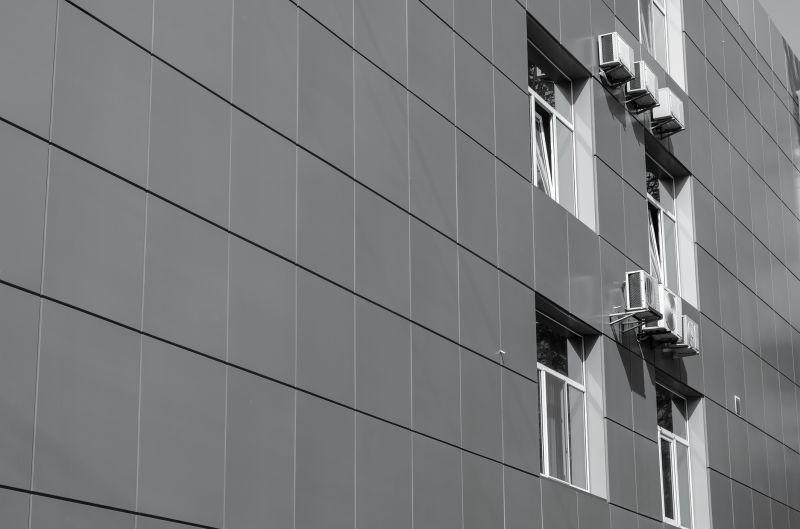
When comparing contractors for commercial siding installation, it’s important to consider their experience with similar projects. A contractor who has a proven track record working on commercial buildings or projects of comparable size and scope can offer insights into the specific challenges and requirements involved. This experience often translates into a smoother process, fewer surprises, and a higher likelihood of meeting project expectations. Homeowners should inquire about the types of projects a service provider has completed and seek out those with relevant, recent experience to ensure familiarity with the demands of commercial siding work.
Clear, written expectations are essential when evaluating local contractors for siding installation. A reputable service provider should be willing to provide detailed proposals that outline the scope of work, materials to be used, and the estimated process. Having these expectations documented helps prevent misunderstandings and sets a foundation for accountability. Homeowners are encouraged to review these documents carefully, ask questions for clarification, and ensure that all aspects of the project are explicitly addressed before proceeding.
Reputable references and effective communication are key indicators of a dependable contractor. Talking to previous clients can provide valuable insights into the contractor’s reliability, quality of work, and professionalism. Good communication throughout the process-such as responsiveness to questions, transparency about progress, and clarity in conveying information-also reflects the service provider’s commitment to customer service. When considering options, homeowners should prioritize contractors who are open to providing references and who demonstrate clear, consistent communication, as these qualities help foster a positive working relationship and successful project outcome.
Property owners use Commercial Siding Installation services for practical projects around their homes and businesses. This guide focuses on everyday jobs and straightforward project options.
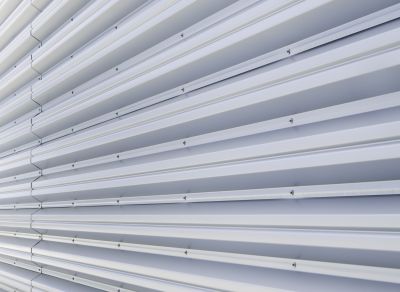
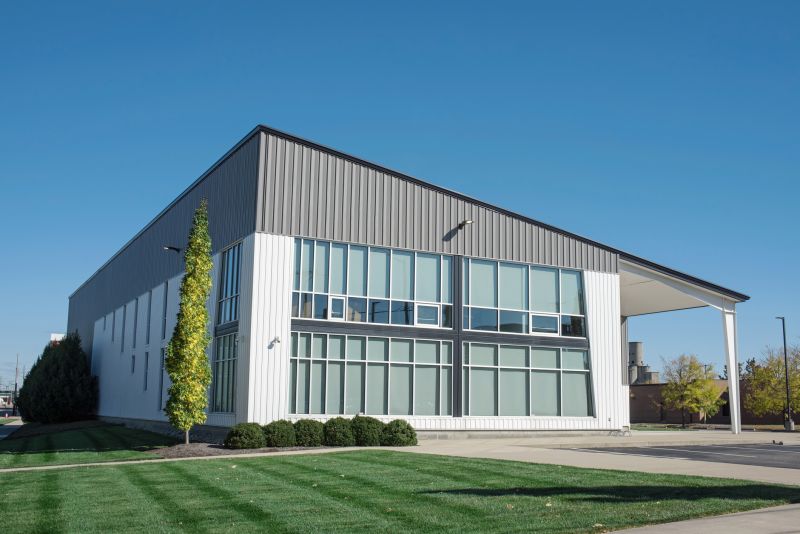
Commercial siding installation is a common project for property owners facing issues with worn, damaged, or outdated exterior surfaces. Local contractors are frequently called upon when buildings show signs of weather-related wear, such as cracking or fading, or when owners want to improve the appearance and curb appeal of their properties. Additionally, some property owners seek siding services to enhance energy efficiency or to prepare their buildings for upcoming inspections or renovations.
Many property owners also look for siding installation services after experiencing structural damage or after noticing leaks and drafts that compromise the building’s interior. Whether updating a commercial storefront, replacing old siding, or addressing damage from storms, local service providers are available to handle a variety of project needs. These professionals can help ensure the exterior of a property remains durable, attractive, and well-maintained.
What types of commercial siding do local contractors install? Local service providers typically install various types of commercial siding, including vinyl, metal, fiber cement, and composite materials, to suit different building needs and preferences.
How do I know if a contractor is experienced with commercial siding? You can review the contractor’s portfolio, ask for references, or verify their experience with similar projects to ensure they have the necessary expertise.
What should I consider when choosing siding materials for a commercial building? Important factors include durability, maintenance requirements, aesthetic appeal, and compatibility with the building’s architecture and environment.
Can local contractors handle siding installation on large or complex commercial buildings? Yes, many local service providers are equipped to manage projects involving large or intricate commercial siding installations.
What benefits can commercial siding provide to a building? Commercial siding can enhance exterior appearance, improve energy efficiency, and offer increased protection against weather elements.
Enhancing Curb Appeal - Property owners can update the exterior of their buildings by choosing durable siding options that improve appearance and value.
Weatherproofing Buildings - Local contractors can help protect properties from the elements by installing high-quality siding that resists moisture and wind damage.
Upgrading Exterior Insulation - Siding services can improve energy efficiency by adding insulation behind the new exterior cladding, reducing heating and cooling costs.
Renovating Commercial Facades - Business owners can refresh storefronts or building exteriors to create a more inviting and professional look for customers and clients.
If you are thinking about Commercial Siding Installation for a property, this guide is meant to help you understand the work, the typical project types, and how different options might fit your plans.
When you are ready, you can use the quote form on this page to share a few details about your project. From there, local pros can review the basics and respond with options that match what you have in mind.